
Garden room planning guidelines: what you need to know
Garden rooms continue to grow in popularity, offering homeowners flexible extra space without the disruption of a full extension. But one of the most common questions we’re asked at Bedfordshire Windows is: Do you need garden room planning permission or building regulations approval?
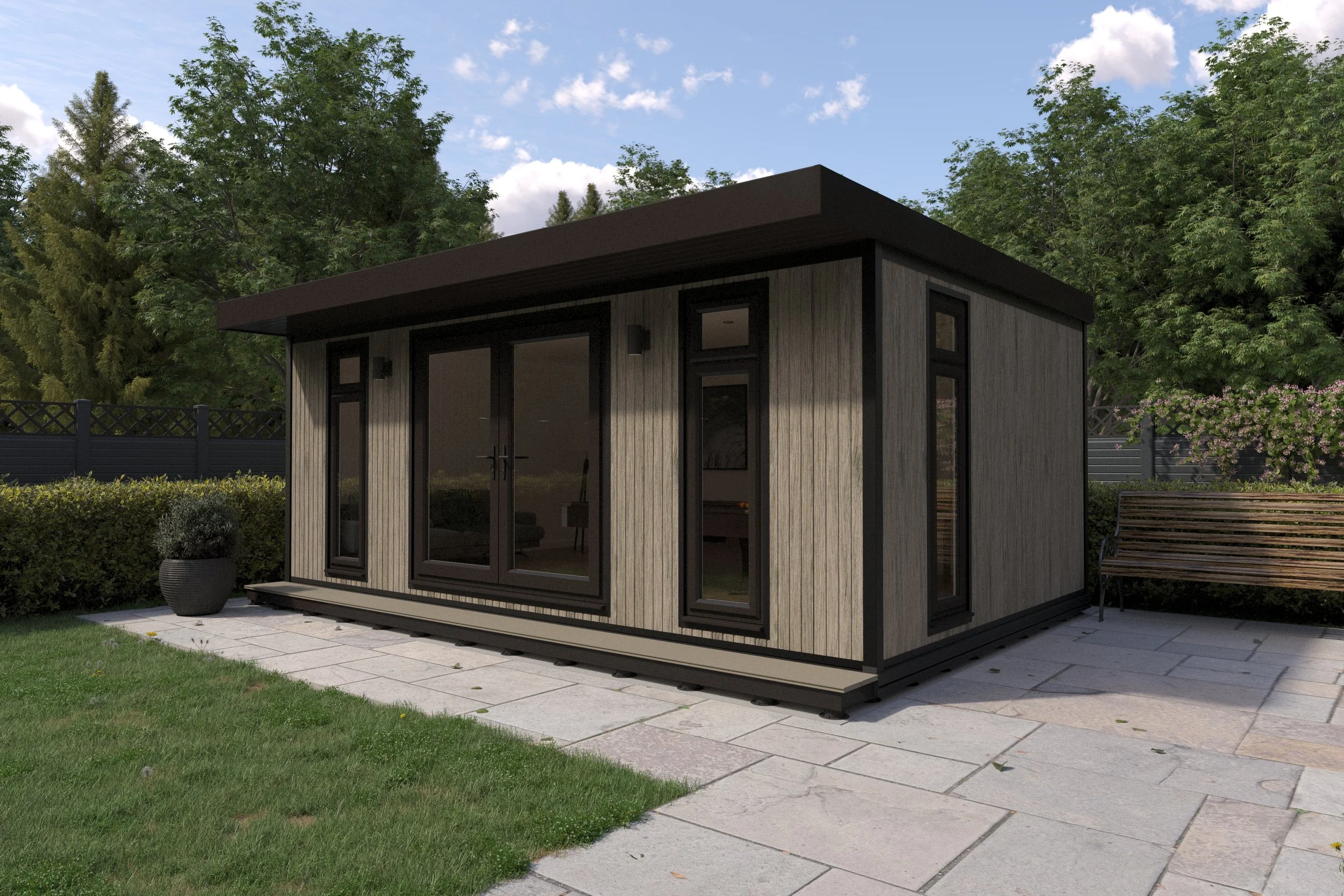
Garden room
Planning permission vs Building Regulations for garden rooms: What’s the difference?
Before looking at garden rooms specifically, it’s important to understand the distinction:
Planning permission controls how towns, cities, and residential areas are developed.
Building Regulations for garden rooms governs how they are designed and constructed, ensuring safety, energy efficiency and structural performance.
You may need one, both, or neither, depending on your project.
When is planning permission required for a garden room?
In many cases, garden rooms are classed as permitted developments, meaning planning permission is not required, provided certain conditions are met.
Garden rooms usually fall under permitted development if:
They are for purposes incidental to the enjoyment of the dwelling (e.g. garden office, gym, garden lounge).
On designated land, any outbuildings more than 20m from the house do not exceed 10m².
All outbuildings together cover no more than 50% of the land around the original house (this includes sheds and extensions).
The building is not self-contained living accommodation.
The structure is single storey with:
Maximum eaves height of 2.5m
Maximum overall height of 4m with a dual-pitched roof, or 3m for any other roof type.
If the building is within 2m of a boundary, the total height must not exceed 2.5m.
Planning permission is required if:
The garden room is to the side of the house on designated land.
It is within the grounds of a listed building.
It is built forward of the principal elevation of the original house.
How does this relate to garden rooms from Bedfordshire Windows?
Our garden rooms are designed with permitted development limits in mind.
Garden rooms are 2.45m high to the highest point of the building (excluding base or supports).
In most typical use cases, this means planning permission is not required, provided all other permitted development criteria are met.
That said, planning rules can vary, so confirmation with your local authority is always advised.
Do garden rooms need Building Regulations approval?
According to guidance from the Planning Portal, Building Regulations approval is not always required for detached garden buildings.
Garden room regulations by size
Under 15m² -No building regulations approval required. Must contain no sleeping accommodation
15m² to 30m² - No approval required if: The building is at least 1 metre from any boundary, or It is constructed substantially of non-combustible materials. Must contain no sleeping accommodation
Over 30m² -Building Regulations approval is required
All sizes - Approval is required if the building contains sleeping accommodation
What is the best size for a garden room?
Most common garden room sizes:
3m × 3m (9m²): Small studio, ideal for single-person home offices or hobby spaces.
4m × 3m (12m²): Very popular all-round size for a desk, seating area, or small gym.
4m × 4m (16m²): One of the most frequently chosen sizes, offering flexible space for a home office plus seating/storage.
5m × 3m (15m²): Great for a larger workspace or multi-purpose room.
6m × 3m (18m²): Spacious garden room good for dual uses (office + lounge, gym + studio).
Important note: Our garden rooms are not constructed substantially of non-combustible materials. This means:
If the building is 15–30m², it must be positioned at least 1 metre from the boundary to avoid the need for Building Regulations approval.
England-only guidance and final advice
This guidance applies to England only and should not be treated as a definitive legal interpretation. Planning and building control decisions can vary between local authorities.
Before starting any garden room project, it is always recommended that you:
Speak to your local planning authority – find your local authority here
Confirm requirements with building control
Contact our team a call if you require further information or to obtain a quotation.