
PVCu sash windows: Keeping the character without the draughts
For many homeowners, original timber sash windows are one of the things that give an older property its character. The proportions, glazing bars and traditional vertical opening all contribute to the look of a Victorian, Georgian or Edwardian home.
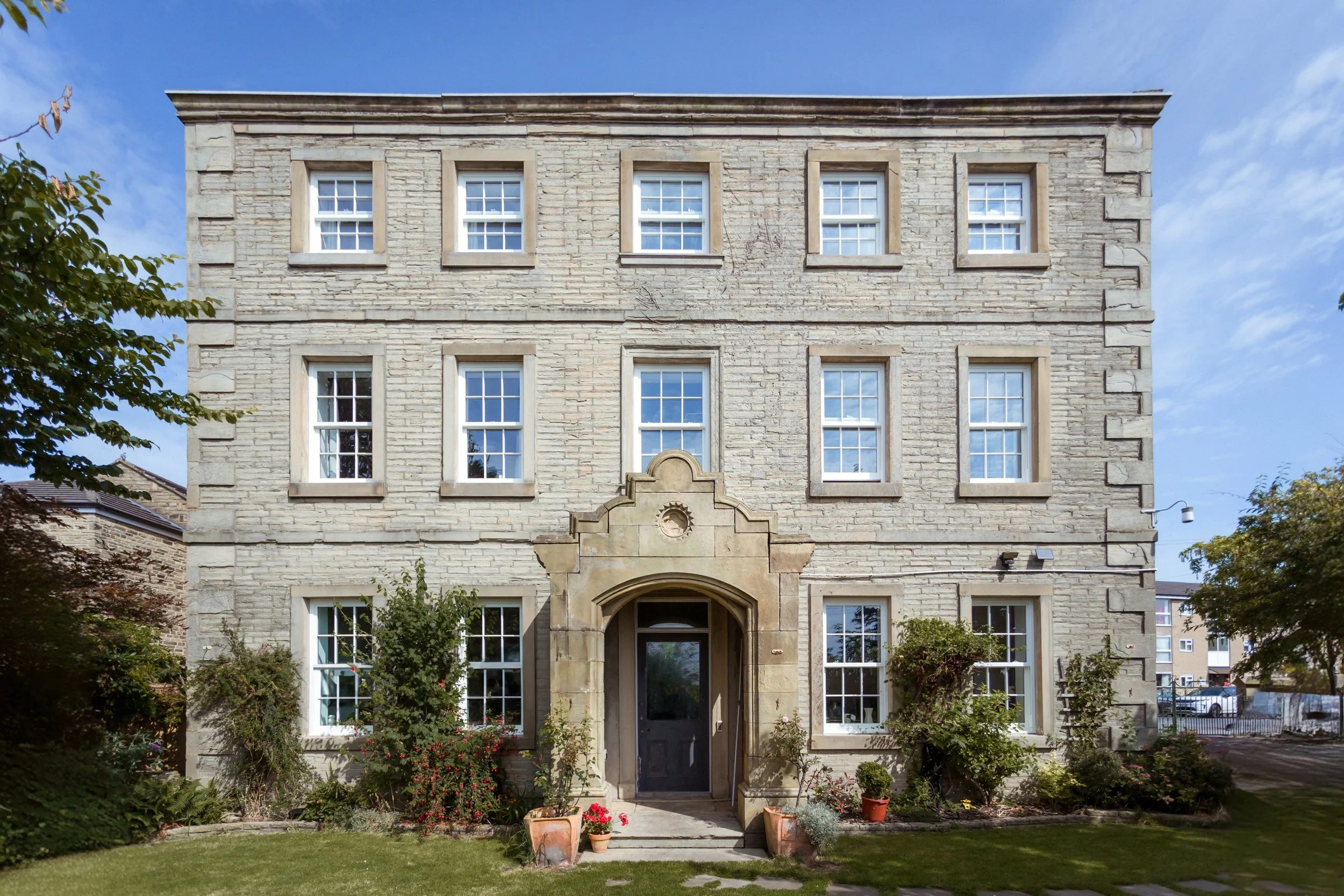
PVCu sash window
The problem is that old windows can also bring draughts, rattles, sticking sashes and regular maintenance. That is where PVCu sash windows offer a useful alternative. Modern designs recreate many of the details associated with traditional timber windows while adding the practical benefits of modern glazing, weather seals, security and lower maintenance.
If you are considering replacing existing sash windows, though, it helps to understand the terminology. Sliding sash windows, box sash windows and flush sash windows are often discussed together, but they are not all the same thing.
Why people replace timber sash windows
There is a reason original timber sash windows have survived for generations: when they are well designed and properly maintained, they can look beautiful.
However, time takes its toll. Common problems include:
Draughts around the moving sashes.
Rattling in windy weather.
Sticking or difficult-to-open windows.
Rotten timber.
Failed cords, balances or weights.
Single glazing and poor thermal performance.
Regular painting and maintenance requirements.
Gaps that allow heat loss and outside noise.
Not every old sash window needs replacing. In some cases, specialist repair and draught proofing can extend its life significantly. But where windows are badly deteriorated, no longer operate properly or need repeated repairs, replacement may become the more practical long-term solution.
Modern PVCu sliding sash windows are designed to provide the traditional vertical sliding appearance without relying on timber cords and weights. At Bedfordshire Windows, the available range includes customisable details such as decorative sash horns and Georgian-style bars, alongside modern locking and energy-efficient glazing.
The aim is not simply to make an old property look modern. For many homeowners, it is to retain the character of the building while reducing some of the maintenance associated with traditional timber.
Sliding sash, box sash and flush sash: what do the terms actually mean?
Window terminology can be confusing because similar names are sometimes used to describe quite different products.
Sliding sash, or vertical sliders: A sliding sash window is the design most people picture when they think of a traditional sash window. Instead of opening outwards like a standard casement window, one or both sashes move vertically. Depending on the design, the sashes may slide past one another, allowing you to open the top, bottom or both sections. This style is particularly popular on period properties because it reproduces the familiar proportions of traditional timber sash windows.
Modern PVCu versions can also include features that make everyday use easier. For example, some designs allow the sash to tilt inwards for cleaning, which can be particularly useful on upper floors. If your home currently has traditional vertical sliding windows, this is usually the closest like-for-like style.
Box sash: A box sash window refers to the traditional construction in which the sash mechanism sits within a box-like frame at either side of the window. Historically, weights connected to the sashes by cords were hidden within these boxes. The counterweight system helped the sashes move smoothly and stay open.
Today, people sometimes use ‘box sash’ as a general description for a traditional-looking sash window, even when the modern replacement does not use the original weight-and-cord mechanism.
Flush sash window: This style of window is different from a sliding sash window. In this case, ‘flush’ describes the position of the opening sash when the window is closed. Rather than sitting proud of the outer frame, the sash sits flush with it to create a flatter, more traditional appearance.
Most flush sash products are flush casement windows, meaning they open outwards on hinges, not vertical like a sliding sash window. This makes them a popular option for cottages, traditional houses and homeowners who like the appearance of timber but prefer a conventional outward-opening window.
Bedfordshire Windows offers a range of PVCu and aluminium windows, including flush sash options, alongside its dedicated PVCu sliding sash range.
What affects the cost of PVCu sash windows?
There is no useful single answer to the question, the price depends on the specification and the individual installation.
Factors that can affect the overall cost include:
Size and number of windows: Larger windows generally require more material and glazing. Replacing an entire house will naturally cost more than changing one or two windows.
Window configuration: A simple window will usually cost less than a large or unusual configuration. Bay windows, coupled frames and non-standard sizes can all affect the final price.
Glazing specification: Double glazing, specialist glass, decorative glazing and improved thermal specifications can all change the price.
Decorative details: Features such as sash horns, Georgian bars and particular hardware choices may also affect the specification.
Colour and finish: White PVCu is not the only option. Coloured and wood-effect finishes can provide a more traditional appearance, but the exact choice may affect the cost.
Installation requirements: Removing old windows is only one part of the job. The condition of the surrounding structure, access requirements and any associated remedial work can influence the final quotation.
The best way to compare costs is to make sure you are comparing like with like. A lower quote may have a different glazing specification, fewer decorative features or a different level of finishing.
A survey allows the installer to assess the actual openings and discuss the options that matter to you, rather than relying on a generic online price.
Conservation areas and listed buildings around Bedford
If you live in a conservation area, do not assume that you can choose any replacement window without checking first. Bedford Borough has 61 conservation areas, and the council explains that development in these areas is subject to additional controls intended to preserve or enhance their character. Historic England also notes that an Article 4 Direction can restrict work that might otherwise be permitted, including replacement windows.
In many cases, replacement windows and doors on an unlisted house in a conservation area do not normally require planning permission. However, the specific property, any planning conditions and any Article 4 Direction can change that position.
Listed buildings are different. Replacing windows can require Listed Building Consent, and local conservation guidance may place significant importance on retaining or repairing original fabric where possible.
If you are considering PVCu sash windows in Bedford or the surrounding area, Bedfordshire Windows can discuss the available styles, survey your existing windows and help you compare sliding sash, flush sash and other replacement options.
You can also explore the PVCu sliding sash windows range, view the wider windows collection, learn more about the company’s certifications, or call 01234 218178 and talk to our expert team to arrange a survey.
The right replacement should do more than improve insulation and reduce maintenance. On a period property, it should also respect the reason you liked the original windows in the first place.