
How long should a garden fence last?
There’s nothing like a heatwave to make us appreciate our gardens – and suddenly notice all the jobs we've been happily ignoring since last summer.
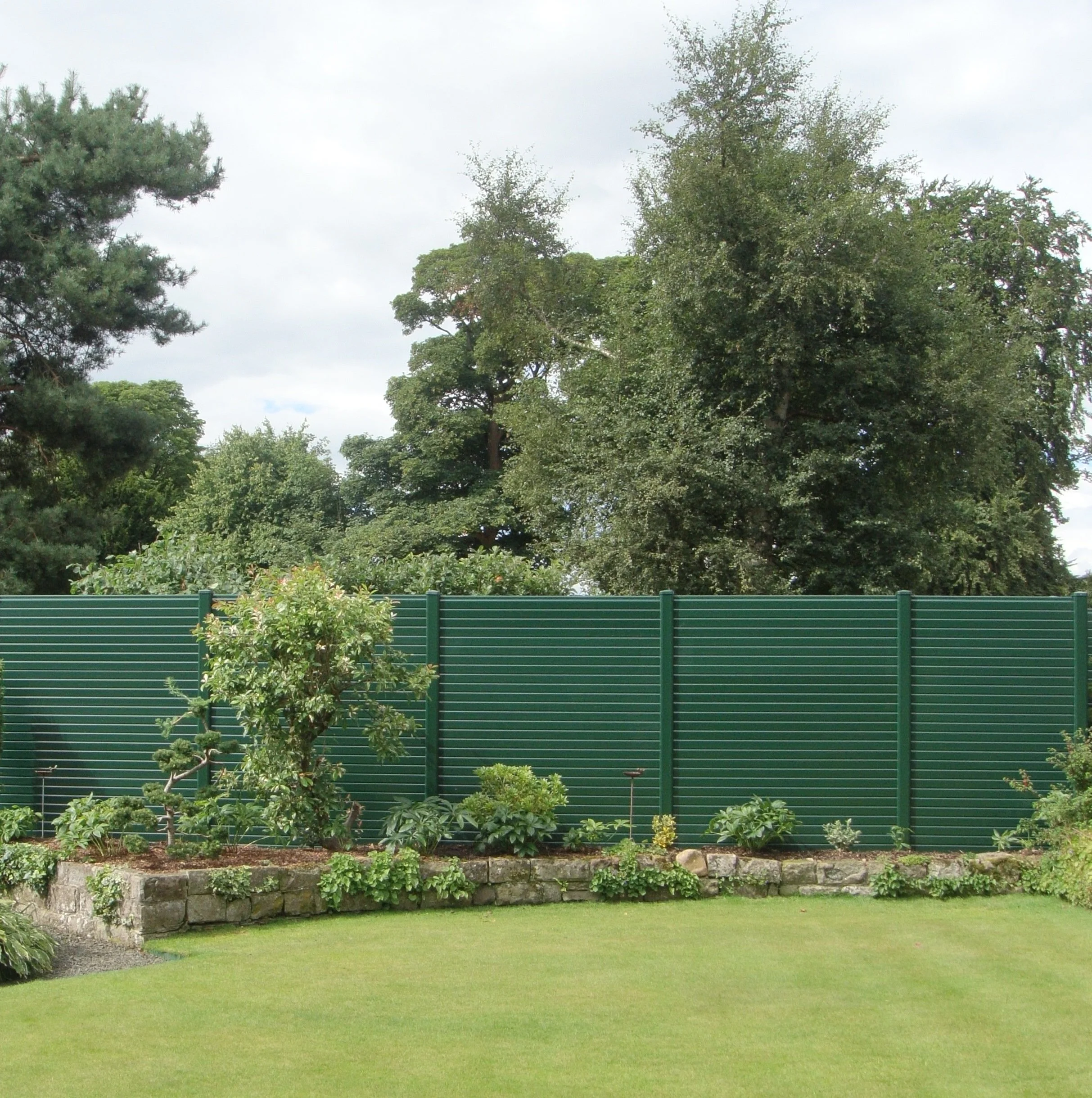
Composite garden fencing
As barbecues come out and the countdown to the school holidays begins, it’s amazing how quickly your eye is drawn to the jobs you’ve been putting off. Fence panels that looked perfectly acceptable in February can suddenly become impossible to ignore when you’re spending more time outside.
While most fences won’t last forever, plenty of us hold onto one that’s already showing signs of its age. If you’re thinking about replacing your fence this summer, modern alternatives such as PVCu garden fencing can offer a stylish solution that looks great year after year – without the ongoing upkeep associated with traditional timber.
So, how long should a garden fence last, and how do you know when it’s time to replace it rather than repair it?
How long do fences last?
The lifespan of a garden fence depends on several factors, including the materials used, the quality of installation, local weather conditions and how well it has been maintained over the years.
As a general guide, a timber fence can last between 10 and 15 years when properly cared for. Some fences begin to deteriorate much sooner, particularly if they’re exposed to strong winds, heavy rainfall or consistently damp conditions.
It’s also worth remembering that lifespan isn’t always the deciding factor. A fence doesn’t have to be falling down to need replacing. In many cases, appearance, stability and maintenance requirements become the reasons people start looking for alternatives.
After all, there’s a difference between a fence that still stands and a fence that still adds value to your garden.
How long do wooden fence posts last?
Fence posts are often the first part of a timber fence to develop problems. Because they’re placed directly into the ground, they’re exposed to moisture throughout the year. Over time, this can lead to rot around the base of the post, weakening the structure and affecting the stability of the fence panels they support.
A well-installed wooden fence post can also last up to 15 years, but soil conditions, drainage and weather exposure all play a role.
If you’ve noticed panels leaning, movement during windy weather or sections of fencing that no longer feel secure, the posts may be the cause.
Four signs it may be time to replace your garden fence
1. Your fence is starting to lean
A leaning fence is one of the clearest signs that something isn’t quite right. While a single damaged post may be repairable, multiple leaning panels often suggest a wider issue with the structure of the fence.
If you’re finding yourself repeatedly straightening sections or arranging repairs, a replacement fence is likely to be a better long-term solution.
2. Rot is becoming visible
Timber fencing naturally faces a battle against the British weather. Over time, rain and moisture can lead to rot, splitting and deterioration. Small areas of damage may be repairable, but if rot is affecting multiple panels or posts, it can quickly become more economical to replace the fence rather than continue patching it up.
The earlier rot is identified, the more options you’ll have, so it’s worth carrying out a quick inspection if your fence is a few years old.
3. You’re replacing panels every year
Most fences need the occasional repair. However, if replacing fence panels has become part of your annual garden maintenance routine, it may be time to look at the bigger picture.
While individual panels may not cost a fortune, the expense soon adds up. More importantly, so does the time. A replacement fence means less time fixing problems, more time enjoying your garden.
4. It still looks tired after painting
For many people, painting the fence is one of those jobs that signals the start of summer. But there comes a point when even a fresh coat of paint or stain can't disguise years of weathering.
Faded colour, uneven surfaces, warped boards and visible repairs can all affect the overall look of your outdoor space. If you’ve spent a weekend painting only to step back and think it still looks like it’s had its day, your fence is telling you it’s time for a fresh start.
Looking for an alternative to timber fencing?
One of the biggest reasons people choose to replace traditional fencing today isn’t because it’s damaged beyond repair. It’s because they’re looking for something that’s easier to live with.
Bedfordshire Windows has recently launched a range of premium PVCu garden fencing designed to provide the appearance of a beautifully maintained fence, without the ongoing upkeep associated with timber.
Unlike traditional wooden fencing, PVCu fencing won’t rot, rust, warp or splinter. It doesn’t require regular painting, staining or treatment and can simply be cleaned with soapy water when needed.
Available in a choice of Classic, Composite and Foiled finishes, with colours ranging from White, Green and Anthracite Grey through to Rosewood and Golden Oak, there’s an option to suit every home.
And if you’re planning a wider garden transformation, our Garden Rooms can help you create additional space for working, relaxing or entertaining all year round. Read up on the reasons you’re unlikely to need planning permission to add one in this handy guide.
Looking for new garden fencing?
Whether your garden fence is leaning, rotting or simply looking tired, replacing it can make a significant difference to the look and feel of your home. Our team can help you choose from a range of stylish, durable garden fencing options designed to look great year after year.
Get in touch with Bedfordshire Windows today, and we’ll help get that garden sorted while the sun’s still shining.